

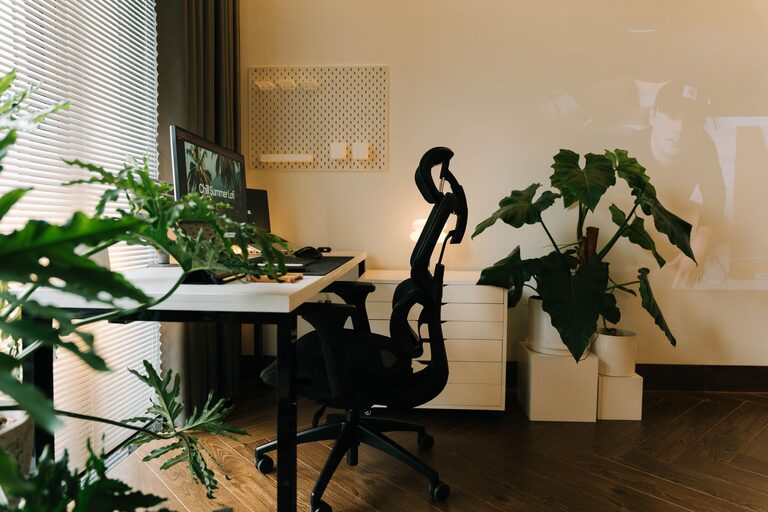
Creating a home office that feels relaxing and welcoming can significantly improve your work experience. When your workspace promotes calm and focus, it becomes easier to stay productive and manage stress. Whether you have a dedicated room or just a small corner, there are many ways to design a home office that encourages well-being.
In this post, we’ll explore helpful tips for transforming your home office into a peaceful, efficient environment.
Choose the Right Location
The foundation of a relaxing home office starts with picking the right spot in your home. Ideally, select a quiet area with minimal distractions. Avoid places that tend to be noisy or heavily trafficked by other family members.
If possible, choose a room with natural light. Sunlight helps boost mood and energy, making it easier to stay focused. Facing a window can provide pleasant views and reduce feelings of confinement.
Consider Privacy and Noise Control
If a private room isn’t available, use room dividers, curtains, or bookshelves to create separation. Noise-cancelling headphones or soft background music can also help block distractions.
Invest in Comfortable, Functional Furniture
Comfort is key for a relaxing office. Choose an ergonomic chair that provides good support for your back. Sitting comfortably helps reduce physical stress and lets you concentrate better.
Select a desk that fits your room and work style. If space allows, a larger surface to spread out your materials can prevent clutter and frustration.
Add Adjustable Elements
Items like adjustable chairs, monitor stands, or sit-to-stand desks allow you to customize your workspace. Changing positions throughout the day reduces strain and keeps you feeling refreshed.
Keep Your Workspace Organized and Clutter-Free
Clutter can increase stress and reduce productivity. Use storage solutions such as shelves, drawers, or baskets to keep supplies tidy and out of sight.
Regularly declutter your desk to maintain a clean, inviting area. A minimal workspace helps your mind feel calmer and more focused.
Use Organizers and Labels
Desk organizers, cable management tools, and labeled containers make it easy to find what you need. This saves time and keeps your environment orderly.
Incorporate Soothing Colors and Personal Touches
Colors can influence mood and productivity. Soft, neutral tones like blues, greens, or light grays often create a calming atmosphere. Avoid overly bright or distracting colors near your workspace.
Add personal touches like plants, artwork, or meaningful objects that inspire or relax you. Plants, in particular, add a natural element that improves air quality and brings life to the space.
Optimize Lighting
Proper lighting reduces eye strain and enhances alertness. Combine natural light with warm, adjustable artificial lighting like desk lamps or floor lamps.
Avoid harsh fluorescent lights, which can make the room feel sterile or tiring. Use dimmable lamps to set the right mood through different times of the day.
Create a Relaxation Corner
If space allows, include a small area away from your desk to take breaks. A comfortable chair or cushion for meditation, reading, or stretching can help you recharge.
Short mental breaks improve focus and reduce burnout. Having a dedicated spot to unwind supports a healthy work routine.
Maintain Good Air Quality and Temperature
Fresh air and comfortable temperature levels impact your comfort and concentration. Open windows when possible, or use air purifiers to reduce dust and allergens.
Keep your home office well ventilated and adjust heating or cooling to a pleasant level. Adding a small fan or humidifier may help, depending on your climate.
Set Boundaries and Routine
A relaxing office is not just about design but also how you use the space. Establish clear work hours and take regular breaks to avoid burnout.
Communicate your schedule to others in your household to minimize interruptions. Ending your workday by shutting down your computer and tidying the space signals a transition from work to rest.
—
By thoughtfully choosing your location, furniture, colors, and lighting, and by keeping your workspace neat and organized, you can create a home office that feels relaxing and supports productivity. Remember to include personal touches and maintain a healthy routine to make your workdays more enjoyable and less stressful. A calming workspace is a valuable investment in your overall well-being.