

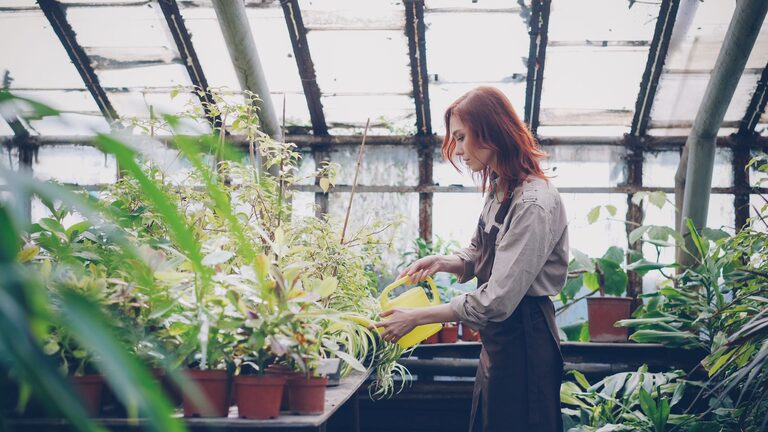
Creating a sustainable home garden is a rewarding way to connect with nature, reduce your environmental impact, and enjoy fresh produce or beautiful plants year-round. Unlike traditional gardens that often require excessive water, chemicals, and energy, a sustainable garden focuses on practices that support natural ecosystems while conserving resources. Whether you are a beginner or an experienced gardener, these tips will help you develop and maintain a healthy, eco-friendly garden throughout every season.
Plan for Year-Round Growth
Choose the Right Plants
Selecting plants that are well-suited to your climate and soil conditions is crucial. Native plants usually require less water and care because they are adapted to local weather and pests. Also, consider a mix of perennials and annuals. Perennials come back every year with little effort, while annuals can provide seasonal variety and fresh produce.
Plan Successive Plantings
To keep your garden productive year-round, plan successive or staggered planting schedules. Start seeds indoors as needed to extend the growing season, and select crop varieties with different maturation times. This practice reduces gaps in harvest and keeps your garden active through spring, summer, fall, and winter.
Improve Soil Health Naturally
Compost and Mulch
Healthy soil is the cornerstone of a sustainable garden. Composting kitchen scraps, yard waste, and organic matter creates rich fertilizer that nourishes plants and reduces landfill waste. Apply mulch made from leaves, grass clippings, or straw around plants to retain moisture, suppress weeds, and regulate soil temperature.
Avoid Chemical Fertilizers and Pesticides
Instead of relying on synthetic chemicals, use organic amendments like compost tea or worm castings to feed plants. Encourage beneficial insects such as ladybugs and bees that help control pests naturally. Crop rotation and companion planting can also deter harmful pests and diseases.
Conserve Water Effectively
Collect Rainwater
Installing rain barrels or systems to capture and store rainwater is an eco-friendly way to water your garden without using municipal supplies. This practice can significantly reduce water bills and lessen the strain on local water resources.
Practice Smart Watering
Water in the early morning or late evening to minimize evaporation. Focus watering on the base of plants rather than leaves to reduce fungal diseases. Using drip irrigation or soaker hoses delivers water directly to roots, making watering more efficient.
Utilize Space Wisely
Vertical Gardening
Maximize limited space by growing climbing plants on trellises, walls, or fences. This method not only saves room but also improves air circulation around plants, reducing disease risk.
Container Gardening
Containers allow you to grow vegetables, herbs, and flowers on patios or balconies and can be moved seasonally for optimal sunlight. Use eco-friendly pots made from recycled or biodegradable materials.
Support Biodiversity
Create Habitats for Wildlife
Include a variety of plants that bloom at different times to provide food and shelter for pollinators like bees, butterflies, and birds. Adding bird feeders, bat houses, or small water features can further enhance your garden’s ecosystem.
Avoid Monocultures
Planting diverse crops prevents diseases from spreading rapidly and improves soil fertility. Crop diversity attracts beneficial insects and supports a balanced environment.
Prepare for Seasonal Changes
Protect Plants in Winter
Use row covers, cloches, or cold frames to shield sensitive plants from frost. Mulching heavily can also insulate roots from temperature fluctuations.
Extend Growing Seasons
Cold frames, greenhouses, and indoor grow lights help extend the gardening season by creating a favorable microclimate. These tools allow you to start seeds earlier, grow plants year-round, or protect seedlings.
Reuse and Recycle in the Garden
Upcycle Materials
Repurpose old containers, wooden pallets, or scrap materials for garden beds, compost bins, or plant supports. This reduces waste and lowers gardening costs.
Recycle Organic Waste
Turn garden trimmings and kitchen scraps into compost instead of tossing them out. Using organic waste closes the nutrient loop and enriches your soil naturally.
Practical Tools for Sustainable Gardening
– Hand tools over power tools to reduce energy use
– Mulch forks and compost bins to manage organic matter
– Soil test kits to monitor nutrient levels and pH
—
By integrating these practices into your home garden, you’ll create a system that is both productive and environmentally friendly. Sustainable gardening is about collaboration with nature rather than working against it, fostering a space that supports plants, animals, and people alike. Start small, observe, and adjust your approach each season. Soon, your garden will become a thriving, sustainable sanctuary all year long.